Signs Your Artificial Grass Needs Repair
Signs your artificial grass needs repair include uneven surfaces, bald spots, or damage, and local contractors can efficiently restore its appearance and functionality.
If artificial grass on a property begins to show signs of wear or damage, it can impact both the appearance and functionality of the space. Property owners in the area might notice uneven surfaces, fading colors, or areas where the turf looks lifted or displaced. These issues can be caused by heavy foot traffic, weather exposure, or natural settling over time. Recognizing these signs early can help prevent further deterioration and ensure the turf remains attractive and safe for everyday use.
For those observing problems like bald patches, loose seams, or persistent weeds poking through the turf, professional artificial turf repair services are available to restore the landscape’s original look and feel. Local contractors who specialize in turf repair can assess the damage and provide practical solutions to address issues efficiently. Keeping an eye out for these common signs can help property owners maintain their artificial grass and ensure it continues to serve its purpose effectively.
- Patchwork repairs - when areas of artificial turf appear worn or torn, local contractors can restore the surface to look seamless.
- Seam rejoining - if seams start to lift or separate, service providers can reattach and secure them properly.
- Drainage fixes - signs of water pooling or improper drainage indicate the need for repairs that local pros can address.
- Surface leveling - uneven patches or sinking spots suggest turf needs re-leveling, which experienced contractors can perform efficiently.
- Damage restoration - areas affected by pet activity, heavy use, or vandalism can be repaired or replaced by local service providers.
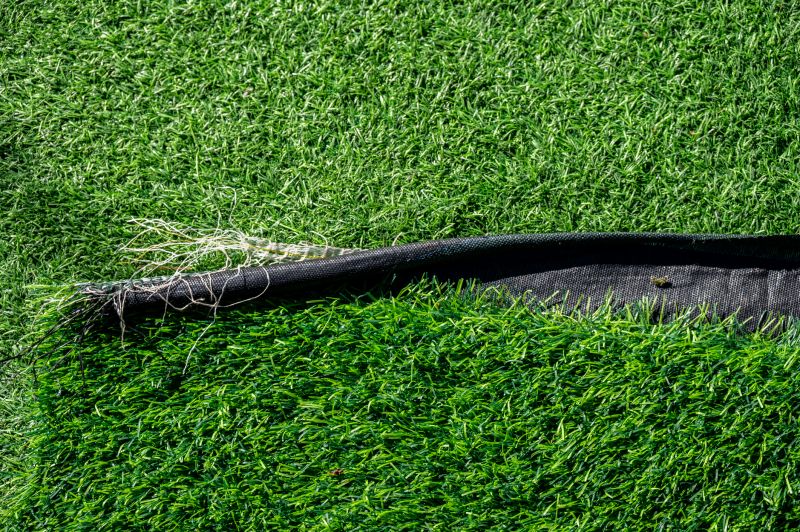
When homeowners search for signs their artificial grass needs repair, they are usually looking for indicators that the turf has experienced damage or deterioration over time. Artificial grass is designed to be durable and low-maintenance, but it can develop issues that compromise its appearance and functionality. Common concerns include uneven surfaces, bald patches, or areas where the turf appears worn or flattened. Recognizing these signs early can help prevent further damage and maintain the aesthetic appeal of the property. Local contractors who specialize in artificial turf repair are equipped to assess these problems and recommend appropriate solutions to restore the turf’s original look and performance.
The types of problems associated with artificial grass often relate to how the turf interacts with outdoor elements and regular use. For example, excessive foot traffic or heavy objects can cause the fibers to become matted or crushed, leading to bald spots or uneven surfaces. Weather conditions, such as intense sun exposure or heavy rain, can also accelerate wear and cause the backing material to loosen or degrade. Additionally, issues like pet damage, weed intrusion, or staining from spills can affect the turf’s appearance and safety. These problems are typical in properties that use artificial grass for lawns, play areas, or commercial landscapes, and addressing them promptly can extend the lifespan of the turf.
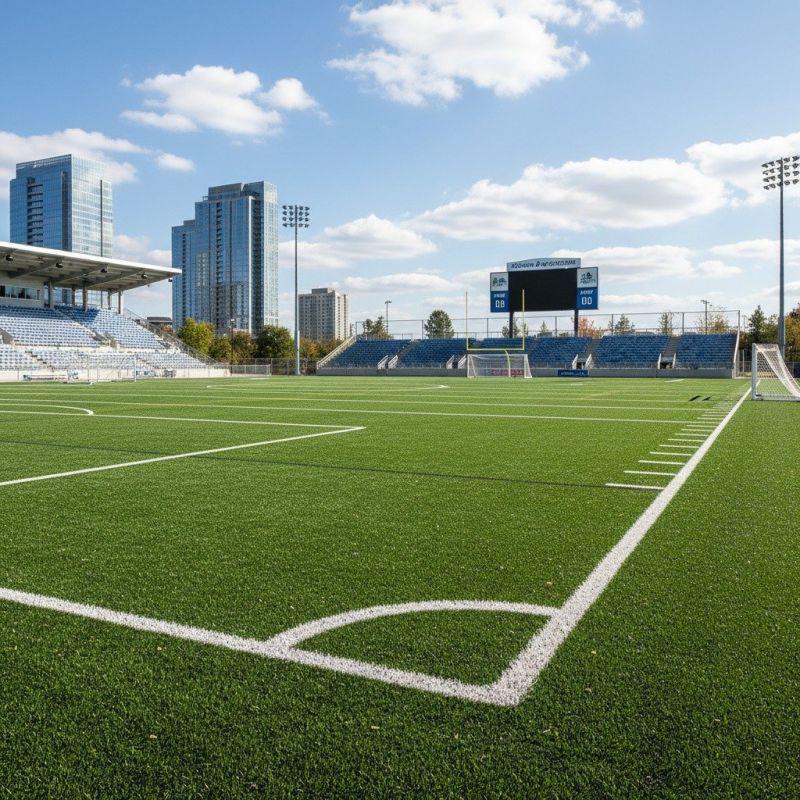
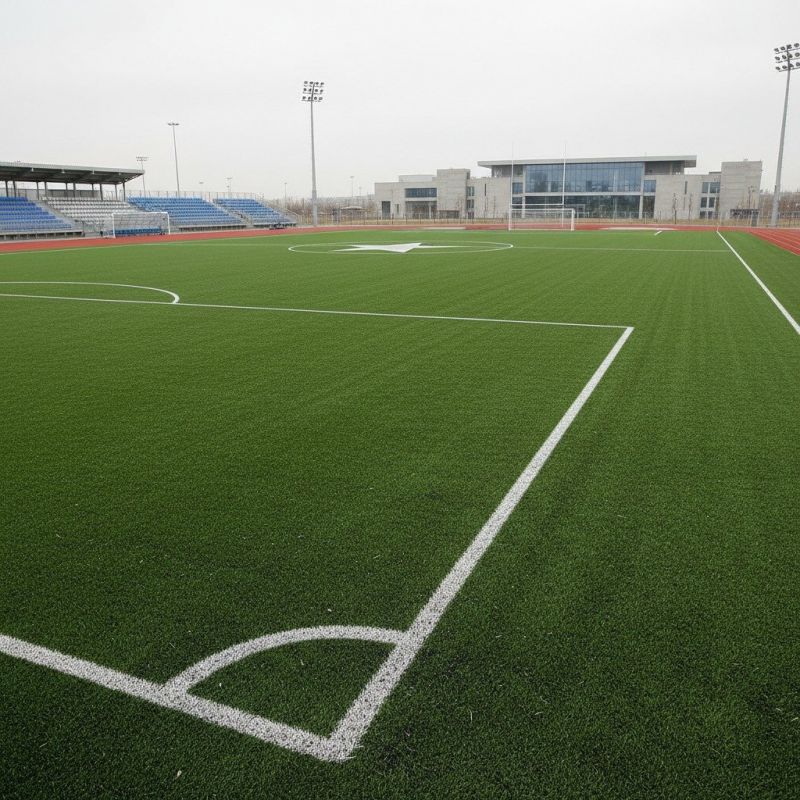
Properties that commonly encounter signs their artificial grass needs repair include residential yards, sports fields, playgrounds, and commercial landscapes. In residential settings, artificial turf is often installed for low-maintenance lawns or pet areas, making durability a key concern. Sports facilities utilize turf for athletic purposes, which can experience wear and tear from frequent use. Playgrounds and commercial properties may have high foot traffic or exposure to environmental stressors that cause damage over time. Recognizing issues early on can help property owners plan repairs efficiently and work with local service providers who specialize in turf restoration. These professionals can evaluate the specific condition of the turf and recommend repairs tailored to each property's needs.
Understanding signs your artificial grass needs repair helps homeowners connect the dots between visible damage and the need for professional intervention. Common indicators include persistent bald patches, uneven surfaces, or fibers that no longer stand upright. Discoloration, persistent odors, or loose seams are also signs that the turf may be compromised. Addressing these issues with the help of experienced artificial turf repair service providers ensures the turf remains safe, attractive, and functional. These local contractors can handle a variety of repair tasks, from replacing worn sections to re-securing loose seams, helping property owners maintain a polished appearance and prolong the life of their artificial grass investment.
Landscape Design Projects - Planning and installing new outdoor spaces often require similar skills in site assessment and material selection as artificial turf repair, making local contractors proficient in both areas.
Drainage System Installations - Proper drainage is essential for maintaining artificial grass, and local service providers experienced in drainage solutions can address issues that cause turf damage or uneven surfaces.
Ground Leveling and Grading - Ensuring a smooth, even surface is a common requirement for both turf repair and other landscaping projects, requiring similar planning and earth-moving tools.
Synthetic Surface Replacement - Replacing or upgrading synthetic surfaces in sports courts or playgrounds involves comparable skills and equipment used in artificial grass repair.
Irrigation System Repairs - Fixing or installing irrigation systems helps prevent turf damage caused by improper watering, aligning with the expertise of local contractors handling artificial turf issues.
Paver and Patio Installation - Installing pavers or patios involves surface preparation and leveling techniques that are also applicable when repairing or maintaining artificial grass areas.
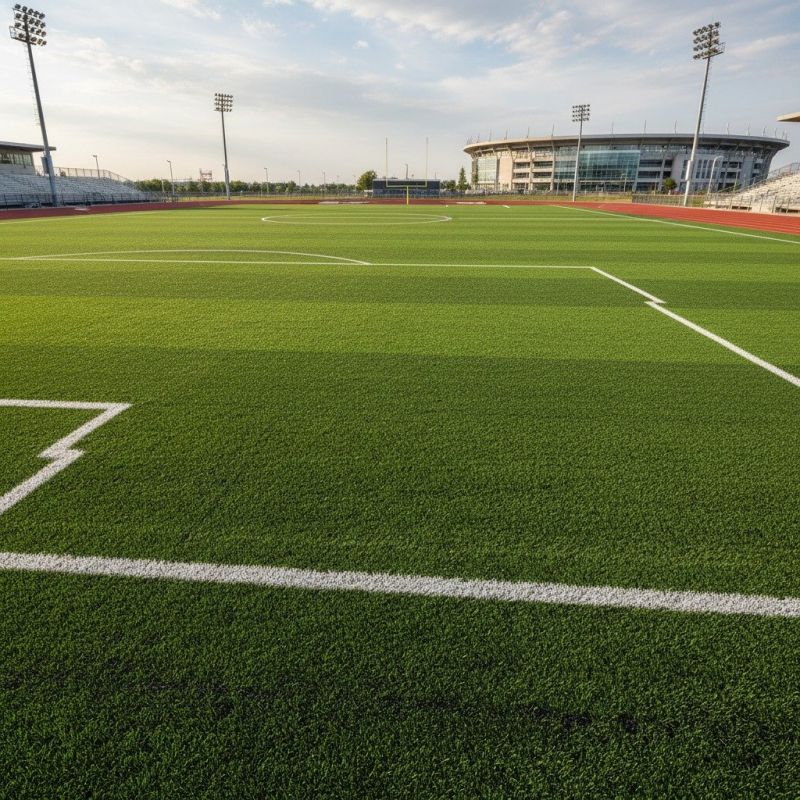
When evaluating service providers for artificial turf repair, it’s important to consider their experience with similar projects. Homeowners should inquire about the contractors’ background in repairing artificial grass, particularly focusing on repairs related to signs your artificial grass needs repair. An experienced professional will have a deeper understanding of common issues such as uneven surfaces, matting, or damage caused by weather or heavy use. This familiarity can help ensure the repair work is performed efficiently and effectively, restoring the turf’s appearance and functionality.
Clear communication and written expectations are vital when selecting a contractor. Homeowners should seek service providers who offer detailed explanations of the repair process, the scope of work, and what results to expect. Having a written estimate or scope of work helps prevent misunderstandings and provides a reference point throughout the project. Good communication also involves responsiveness and transparency, enabling homeowners to feel confident that their concerns and questions will be addressed promptly and thoroughly.
Reputable references and reviews can provide insight into the reliability and quality of a contractor’s work. Homeowners are encouraged to ask for references or check online reviews to learn about others’ experiences with the service provider. Consistent positive feedback often indicates a contractor’s ability to deliver satisfactory results and maintain professionalism. Additionally, service providers who prioritize good communication and provide clear written information tend to be more trustworthy, making it easier for homeowners to compare options and select a contractor capable of handling repairs related to signs your artificial grass needs repair effectively.
Property owners often search for signs your artificial grass needs repair when they are planning practical projects around their homes and businesses. Local pros provide Artificial Turf Repair services for everyday jobs and straightforward project options.
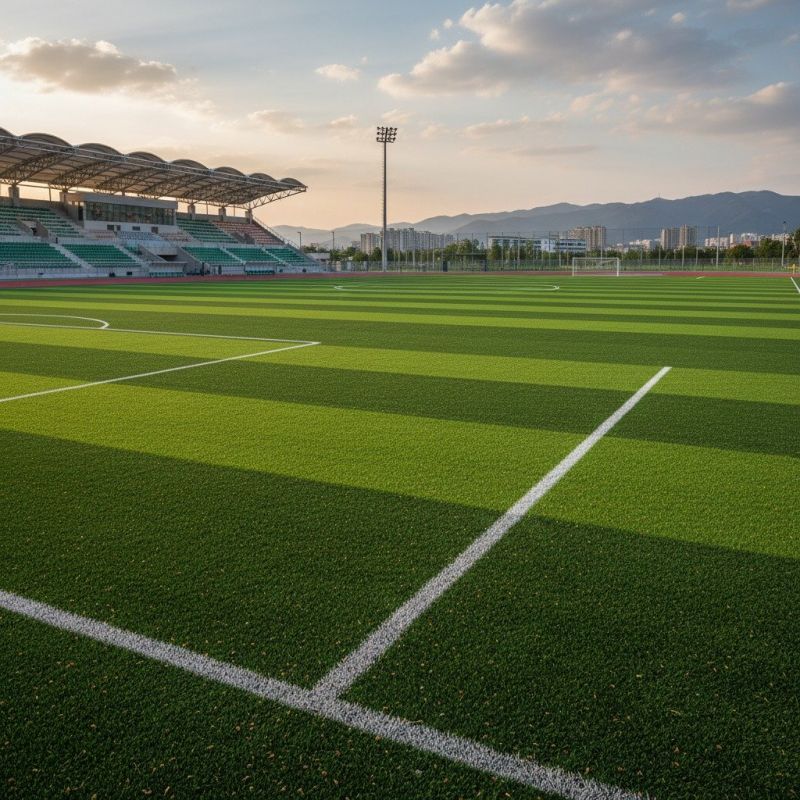
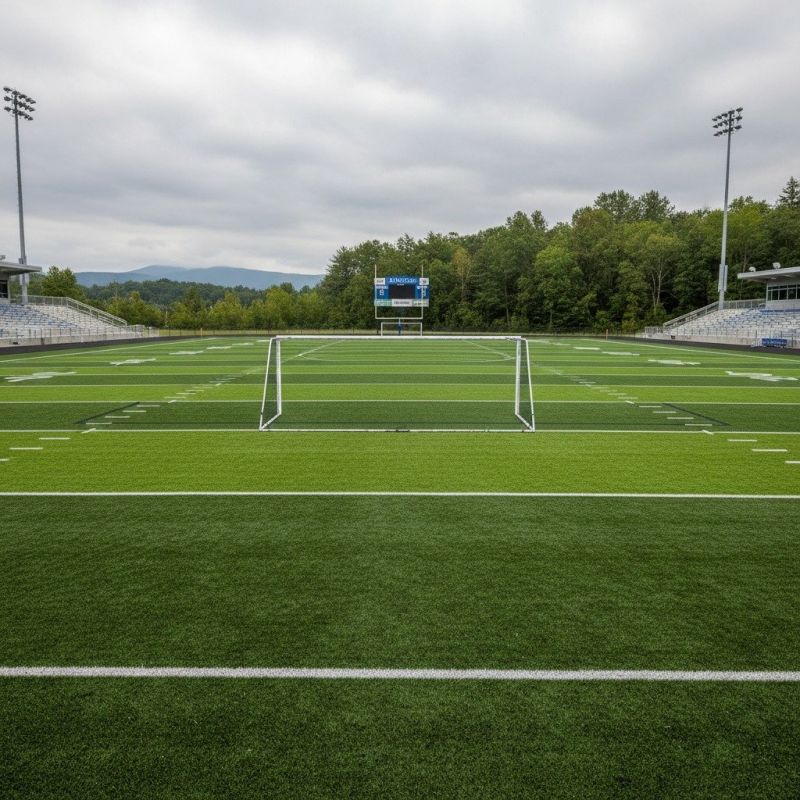
Property owners in the area often notice certain signs that their artificial grass may need repair, especially after heavy use or harsh weather conditions. Common indicators include uneven surfaces, visible seams, or areas where the turf appears lifted or loose. Discoloration, bald patches, or areas where the infill has shifted away from the fibers can also signal that the turf is wearing out or has sustained damage. Recognizing these signs early can help prevent further deterioration and maintain the appearance and functionality of the artificial grass.
In addition, homeowners might observe persistent weeds growing through the turf or notice an increase in debris and dirt trapped within the blades. Foot traffic or pet activity can cause the turf to develop rips, tears, or flattened spots that affect its overall look and performance. When these issues arise, connecting with experienced service providers who specialize in artificial turf repair can help restore the surface to its original condition. Local contractors are equipped to handle repairs efficiently, ensuring the turf remains attractive and safe for everyday use.
What are common signs that artificial grass needs repair? Visible uneven areas, bald patches, or areas where the turf appears worn or flattened can indicate the need for repair services from local contractors.
How can I tell if the infill in my artificial turf has deteriorated? If the infill material appears sparse, uneven, or has shifted significantly, it may require replenishing or redistribution by local service providers.
What indicates damage to the backing or seams of artificial grass? Cracks, tears, or separation along seams and the backing material are signs that professional repair from local contractors is needed.
Are there signs of drainage issues with artificial turf? Standing water or pooling after rain can suggest drainage problems, which local pros can address through repair or installation adjustments.
When should I consider repairing my artificial grass due to pet damage? If there are persistent dug-up spots, holes, or odor issues caused by pets, local repair services can restore the turf’s appearance and function.
Visible wear and tear - noticing bald patches or frayed fibers can indicate areas needing repair, prompting property owners to seek professional turf restoration services.
Uneven surfaces - sinking or lifting sections of artificial grass may cause tripping hazards and suggest that a repair specialist is needed to restore flatness.
Discoloration or fading - areas that have lost their vibrant color can be refreshed or replaced by local contractors to improve overall appearance.
Drainage issues - pooling water on the surface can point to damaged infill or sub-base problems, making repair services essential for proper drainage restoration.
If you are thinking about signs your artificial grass needs repair for a property, this guide is meant to help you understand this topic, the typical project types, and how different options might fit your plans.
When you are ready, you can use the quote form on this page to share a few details about your project. From there, local pros can review the basics and follow up with options that match what you have in mind.